The best time to visit Seychelles is April to May or October to November. These are the changeover months between the two monsoons, when winds drop and the sea is usually calmest for boat trips and snorkelling. It is warm all year, around 29 to 32°C by day, and January is by far the wettest month.
There is no bad month to be in Seychelles. It sits just south of the equator and the average daytime high only moves about three degrees through the year. What changes is the wind and the rain, and those decide how good your boat days will be.
The short version: April to May and October to November are the sweet spots. Between them, you trade rain for wind.
Seychelles weather by month
These are the official 1991-2020 climate averages for Seychelles International Airport on Mahé’s east coast (World Meteorological Organization normals). Rain varies a lot across the islands: the high ground in north Mahé gets over 2,700 mm a year, the far south and the coast closer to 1,700 mm.
Rain and sunshine figures are monthly totals.
What the rain numbers mean on the ground
A wet month in Seychelles is not a grey month. Divide the sunshine column by the days in the month and even January, the wettest month, averages about five hours of sun a day. May averages about eight. In the northwest monsoon the rain tends to come as short, heavy showers rather than all-day downpours, so a wet-season trip still gets dry spells for the boat. Hikers are the exception: for trails, the drier months suit better (see below).
The two monsoons
Seychelles weather runs on two wind seasons with short calm spells between them. Sources differ slightly on the exact months, so treat these as rough.
Northwest monsoon, about November to March. Hotter and more humid, with lighter winds and generally calmer seas. This is the rainy season: December and January carry the heaviest totals, usually as short, heavy showers. One small benefit: SPGA says the dive site at Ile Cachée in the Ste Anne Marine Park can only be used during the northwest monsoon.
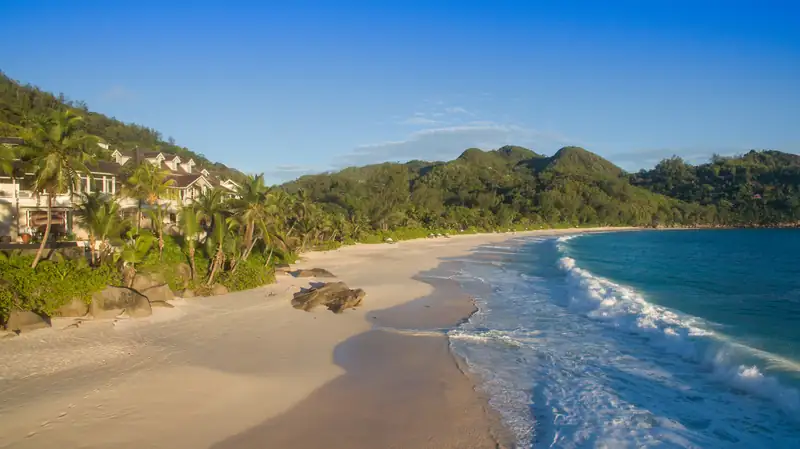
Southeast trades, about May to September. Cooler and drier, but windy. The sea gets choppy on southeast-facing coasts and on the longer crossings, such as Mahé to Praslin. The northwest side of Mahé is the sheltered side in these months. SPGA notes that yachts shelter in Baie Ternay during the southeast monsoon, which tells you where the calm water goes.
Month by month
January to March
January is the wettest month by a distance, with over 400 mm at the airport. February and March dry out steadily. Seas are often calm, but you will lose some afternoons to rain. The hawksbill turtle nesting season runs into March, and SPGA closes some Ste Anne beaches while it lasts.
April and May
The best two months for most people. Winds drop between the monsoons, May is the sunniest month of the year, and April is the hottest. If you want flat water for snorkelling or a smooth ferry to Praslin, aim here.
June to September
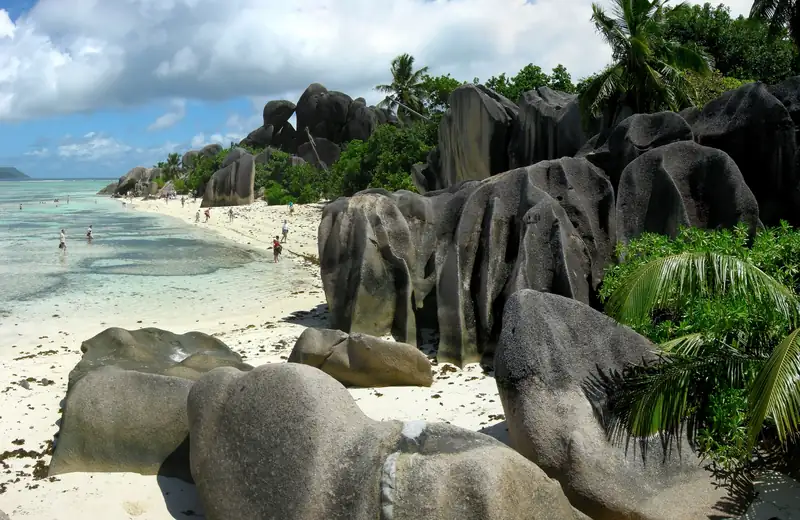
The driest stretch. July has about 80 mm of rain and the lowest average high, 28.7°C. The southeast trades blow steadily, so beaches like Anse Intendance get big surf, and the south and east coasts of Mahé can be rough. Beau Vallon, Port Launay and Baie Ternay on the northwest coast are the better bets for swimming. Whale sharks start appearing around Ile Cocos in August.
October and November
The second calm window. October is a transition month with good visibility, and it is when the Festival Kreol runs (the 2025 edition filled the whole month). Whale sharks are still around Ile Cocos into November, according to SPGA. The nesting sea turtle trail on Curieuse opens in October and runs to early March.
December
Warm and wet, with the second-highest rainfall of the year and the least sunshine after January. Plan a museum or distillery afternoon for the heaviest showers. The sea is often calmer than in the trade-wind months.
Best time for specific trips
Moyenne Island and the Ste Anne Marine Park. The park is only about 10 minutes by boat from Victoria, so the crossing is short in any season. The calm months make the snorkelling stops better. Tortoises on Moyenne are there whatever the weather. The Saint-Anne Marine Park and Moyenne Island Cruise is run by Creole Travel Services, whose catamaran trip is listed for Tuesdays, Thursdays and Sundays, so pick one of those days in a calm week. See how to visit Moyenne and the Ste Anne Marine National Park guide.
Snorkelling. April to May and October to November give the flattest water and best visibility. Our snorkelling guide lists the spots that work in each monsoon.
Praslin and La Digue. The Cat Cocos crossing from Mahé to Praslin takes 1 hour 15 minutes, and it is choppier in the trade-wind months. If you get seasick, avoid the peak trade-wind months or fly. More on this in the island-hopping guide.
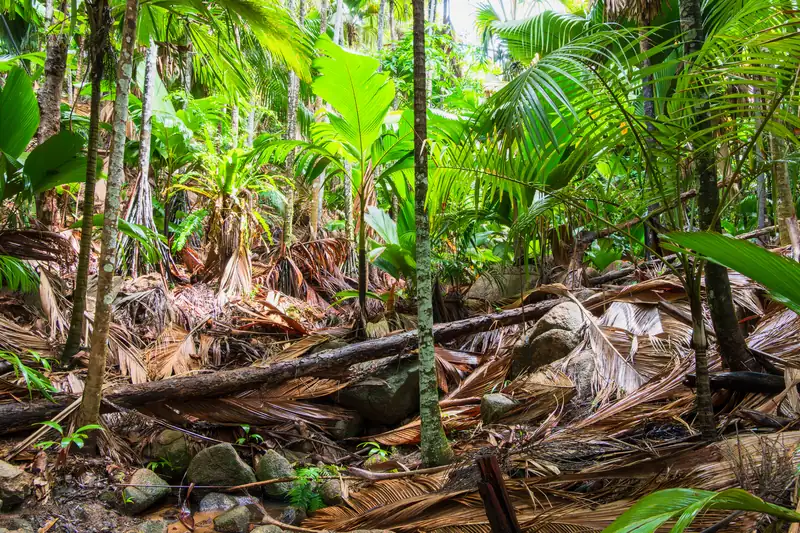
Hiking. The dry months, June to September, are best for the Mahé trails, when the paths are drier and less slippery. Go early in any month: the Morne Seychellois trail closes at noon.
Turtles and whale sharks. Hawksbills nest roughly September to March. Whale sharks visit around Ile Cocos roughly August to November.
Beach closures in the nesting season
Some beaches are closed to protect nesting turtles. SPGA keeps the hawksbill nesting beaches on Ste Anne (Grand Anse, Gran Manon, Petit Manon and Anse Cimitière) off-limits, and the north coast of Curieuse, including Anse Badamier, is also restricted. Moyenne and Cerf are not on SPGA’s restricted list, so a normal marine park day trip goes ahead. On Curieuse, SPGA runs a separate nesting sea turtle trail from October to early March, with its own Rs 150 fee (SPGA trail list, February 2024).
A word on the reefs
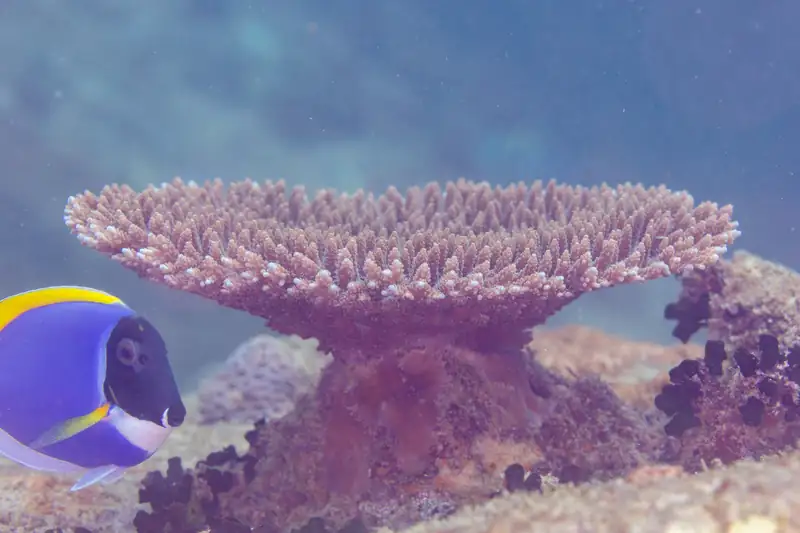
Seychelles reefs were hit hard by the 2024 global bleaching event, which reached the inner islands by April 2024. The national reef status report published in 2026 put live hard coral cover around the inner islands at about 20% in 2025. Fish life is still good. Just expect a reef that is recovering, whatever month you come.
When you have your dates, compare marine park tours and book the boat days for the calmest part of your trip.